
Articles
Our Neighbourhood - Chinese Garden
25 September 2026
Topic
Society
Environment
Subtopic
Arts and culture
Biodiversity and nature
Heritage
Infrastructure and urban planning
Places
A concise summary of the main points regarding this article.
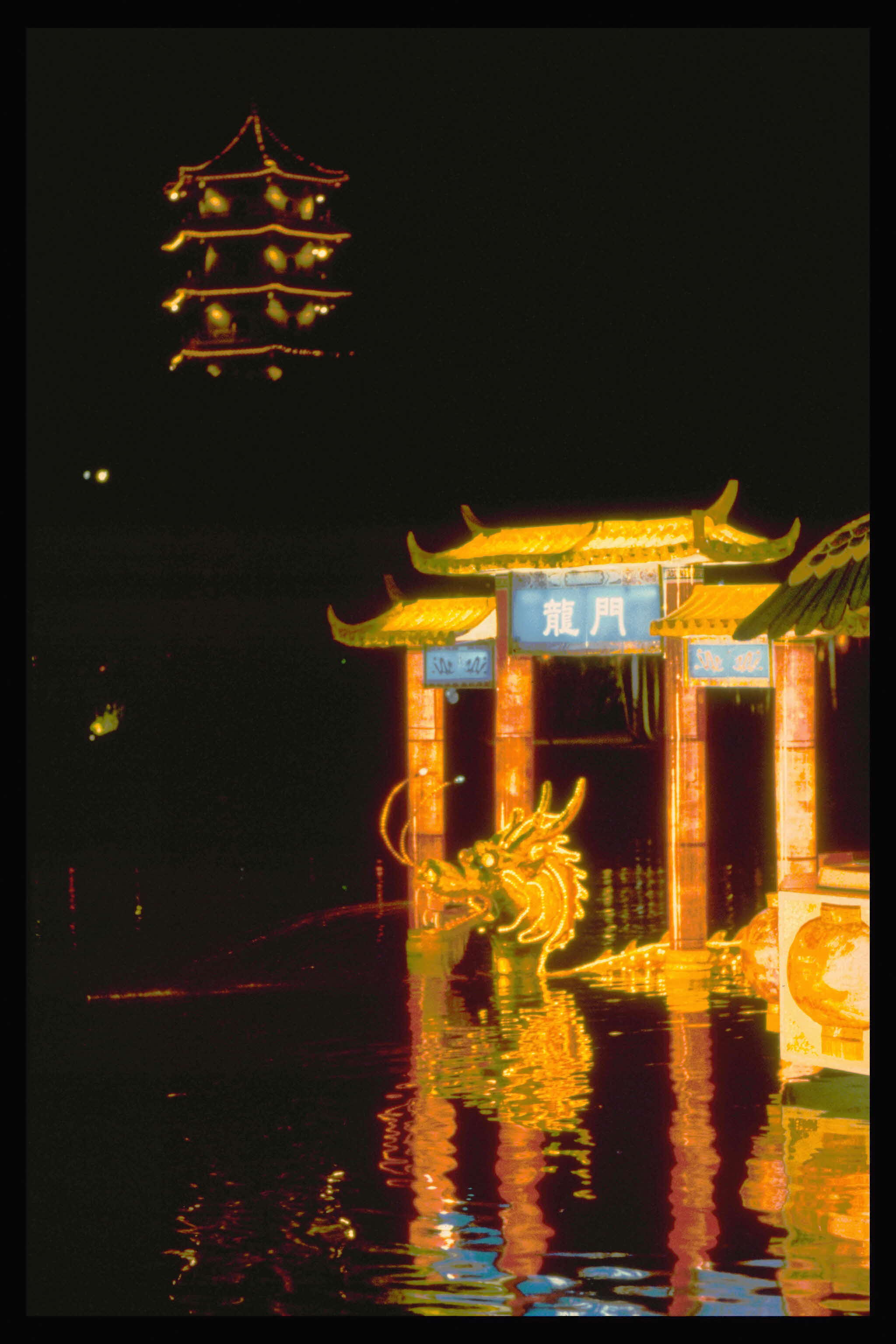
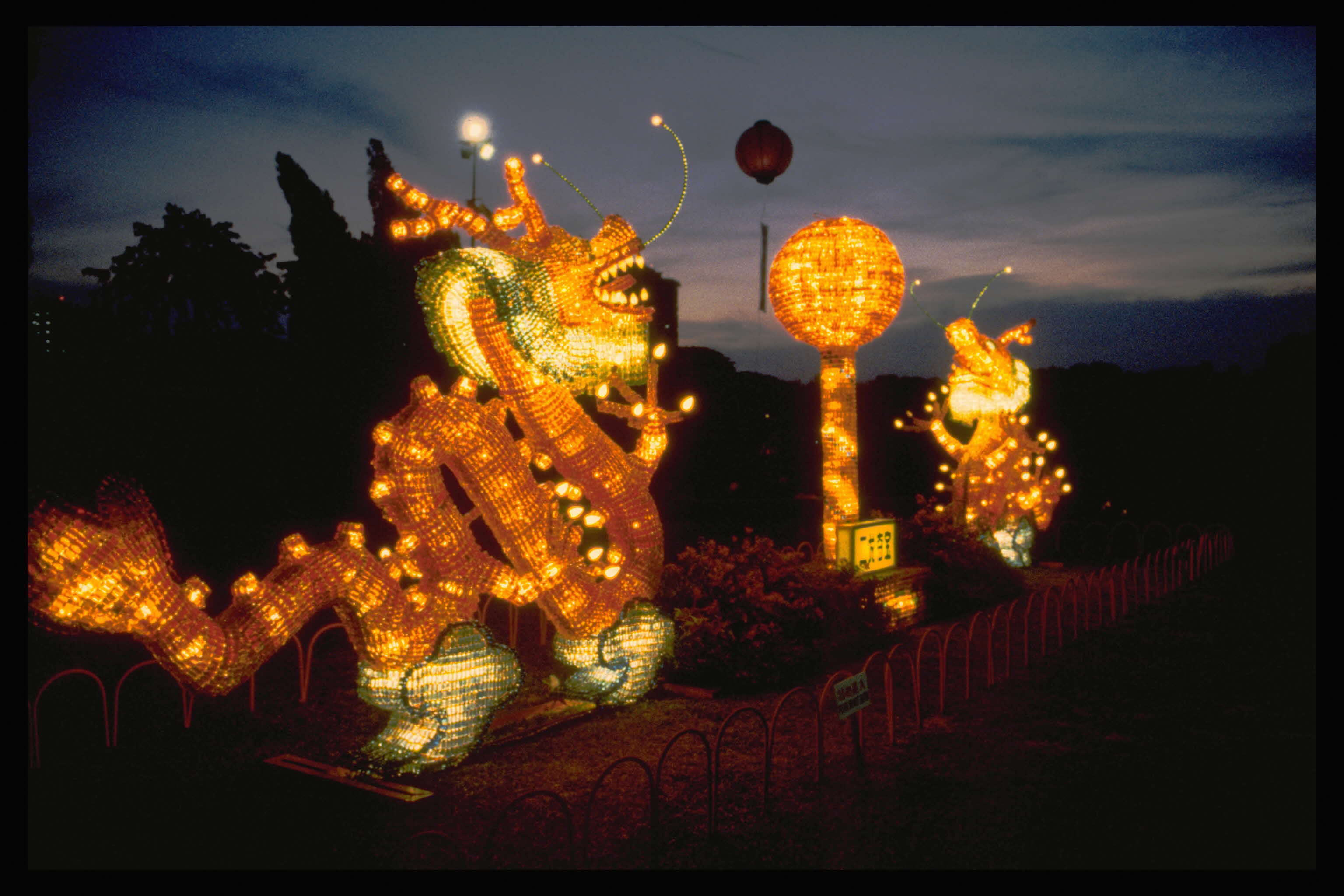
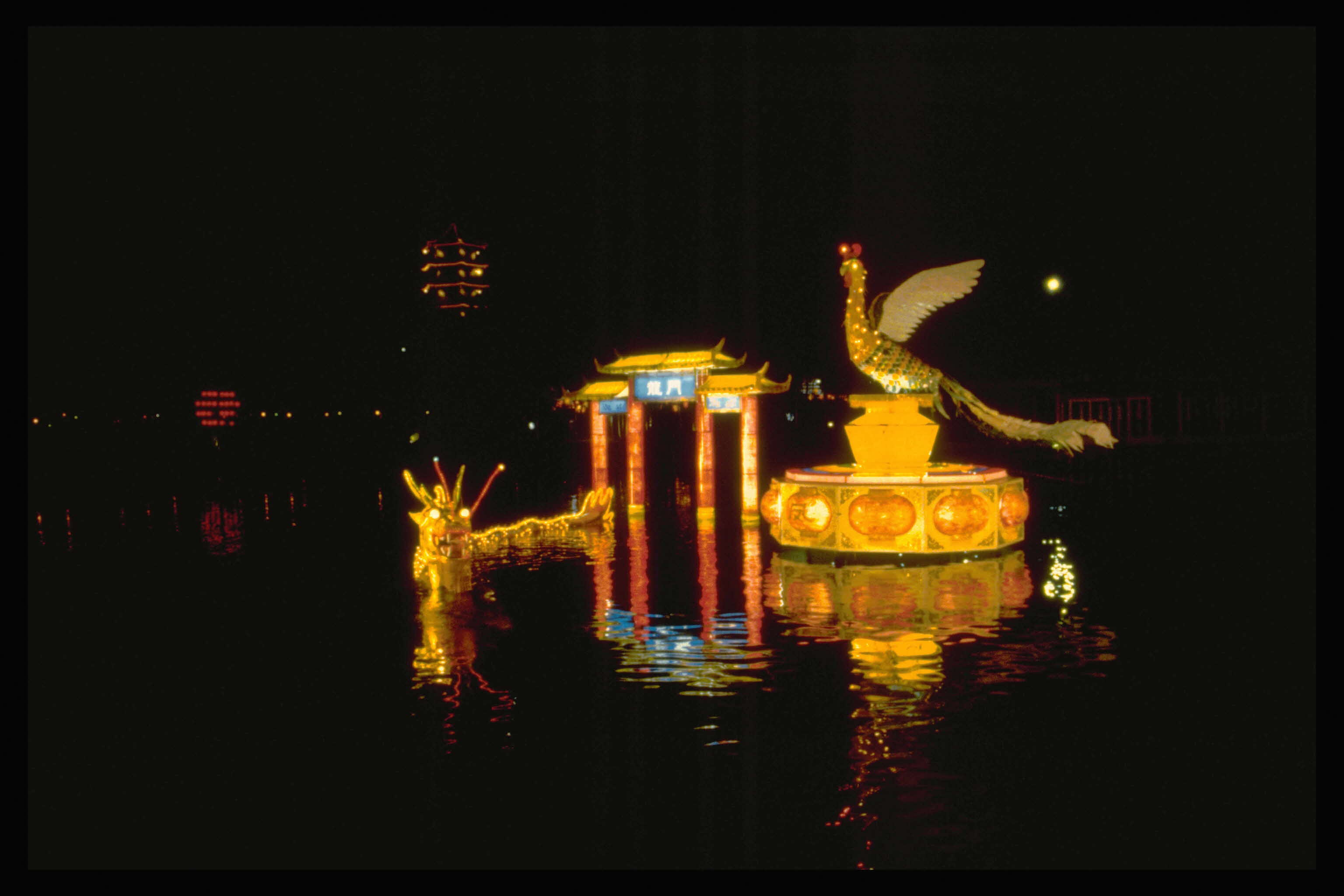
#OurNeighbourhood (opens in new tab) - Chinese Garden
When you see "Chinese Garden" on the MRT map, you may imagine idyllic landscapes, peaceful lakes, and tranquil pavilions. But #DidYouKnow (opens in new tab) that this scenic space is built in the heart of an industrial estate?
As Singapore began developing Jurong as its first industrial estate in the 1960s, the idea for a Chinese-style garden was conceived in 1968. It was a way to introduce greenery to the otherwise drab industrial landscape, at a time when Singapore was also embarking on its “Garden City” vision. Renowned Taiwanese architect Professor Yu Yuen-Chen designed the whole garden complex, providing his services for free.
When it opened in 1975, Chinese Garden (裕华园) was said to be the largest of its kind outside of China. Its striking architecture was inspired by the Song Dynasty and the Summer Palace in Beijing. Iconic features of the garden include the stone lions carved from marble imported from Taiwan, the 13-arch White Rainbow Bridge, the Stone Boat and Tea House, Twin Pagoda, and the iconic seven-storey Cloud Pagoda. Over the years, the grounds expanded to include a Suzhou-style bonsai garden in 1992, and the Live Turtle and Tortoise Museum in 2002 (which has since relocated to Yishun).
Since the 1970s, the garden has been closely associated with Mid-Autumn Festival celebrations. Each year, hundreds of different themed lanterns would decorate the grounds, and from 1987, these festivities have regularly attracted over 100,000 visitors to celebrate the Mid-Autumn Festival.
Following a major refurbishment that began in 2019, the garden reopened in 2024 as part of Jurong Lake Gardens, along with the neighbouring Japanese Garden and Lakeside Garden, as Singapore's first national gardens in the heartlands. The new design prioritises climate resilience, with features that manage and cleanse rainwater runoff, while footpaths use carbon dioxide mineralised concrete to reduce construction emissions. While familiar landmarks such as the Twin Pagoda, Grand Arch, and Stone Boat remain, they are now joined by new spaces such as the Water Wall Court, Edible Garden, and Sunken Garden, transforming Jurong Lake Gardens into a blueprint for how future green spaces can support both the environment and the community.
This Mid-Autumn Festival, Jurong Lake Gardens will once again be lit up for Lights by the Lake 2026. (https://lightsbythelake.nparks.gov.sg (opens in new tab)) This year's theme features the "Legend of the White Snake", and other treasured Chinese tales, inviting a new generation to experience these illuminated displays.
What’s your favourite memory of Chinese Garden (裕华园)?
Photos: Lanterns at Chinese Garden during Lantern Festival, 1990, Ministry of Information and the Arts Collection, courtesy of National Archives of Singapore