
Articles
Kueh 101
3 August 2026
Topic
Society
Subtopic
Community stories
Heritage
Multiculturalism
Our kueh-st (quest) to document every kueh in Singapore.
Find out what kueh you are through this fun bite-sized quiz: https://go.gov.sg/kuehquiz (opens in new tab)
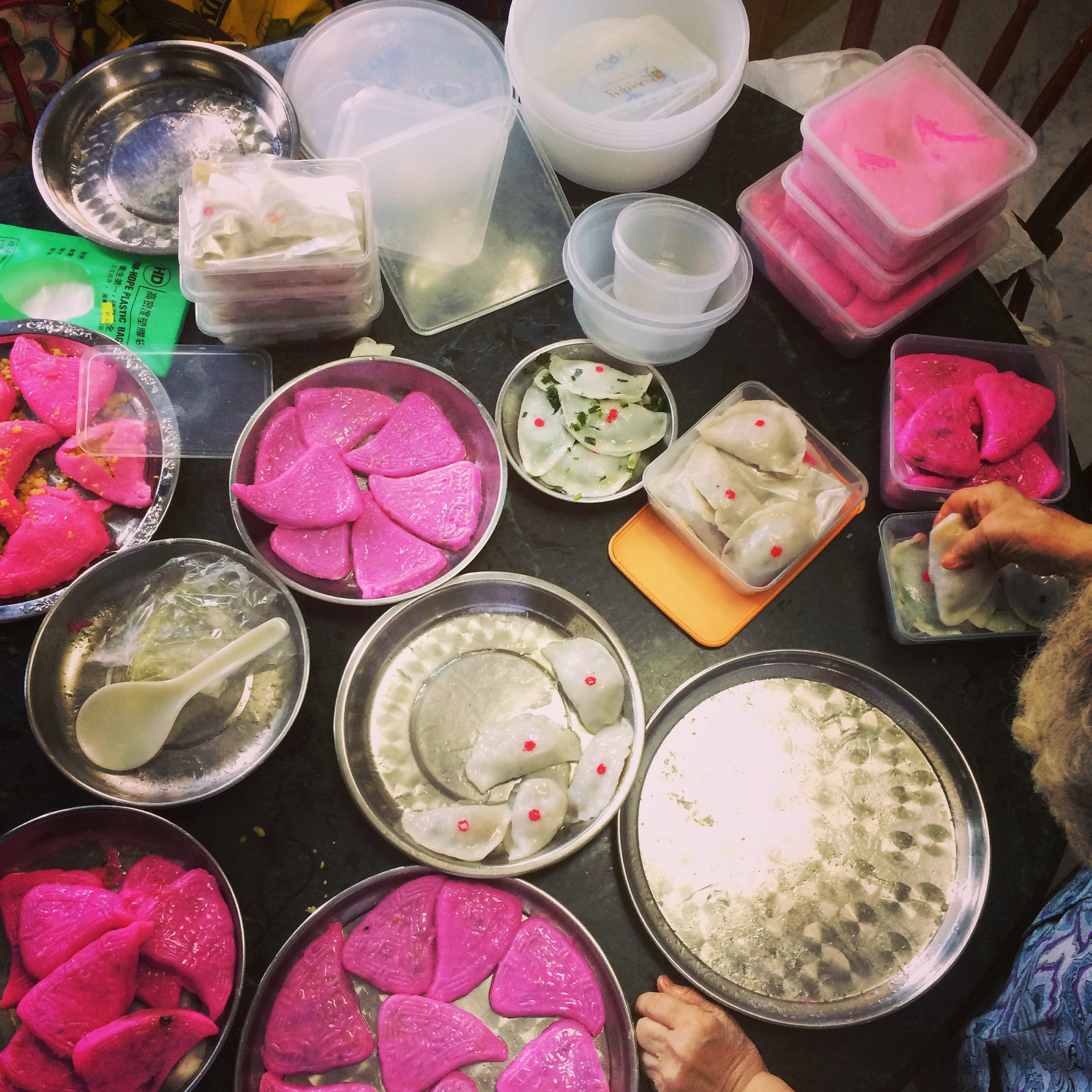
Preparing various kueh before Lunar New Year.
An Introduction to Kueh
What exactly is a kueh? With so many varieties, from png kueh to kueh koci to kueh pie tee, the answer is anything but simple. At its core, a kueh is typically something made from starch, which, admittedly, does not sound that appetising when described in English. However, unlike some sources which might refer to kueh as a dessert, kueh can actually range from sweet (e.g., fragrant kueh dadar made with palm sugar and coconut), to savoury (e.g., png kueh, made from glutinous rice, mushrooms, dried shrimp and peanuts, or kway chap, flat sheets made with rice flour served with savoury pork broth and other accompaniments).
The Chinese word for kueh, “粿”, comes from the Southern Min languages, including Hokkien and Teochew, of southern China. Through centuries of migration and trade, both the word and the foods it describes spread across Southeast Asia. Today, the term appears in a variety of romanised spellings, including ‘kuih’, ‘kway’, ‘kuay’, and ‘kue’.
While traditionally referring to steamed items made of rice flour, the term has evolved to encompass food items made with other flours and starches, such as tapioca and wheat, as well as whole rice grains, beans and other ingredients. Nor is kueh defined by a single cooking method: kueh bangkit is baked, kueh kapit is traditionally roasted in a flat griddle over charcoal, kueh pie tee is fried, while kueh lapis is steamed.
Still can’t wrap your head around kueh? Just say “kueh” sera sera, and explore our alphabetical guide to kueh found across the cultures of Singapore’s major ethnic communities.
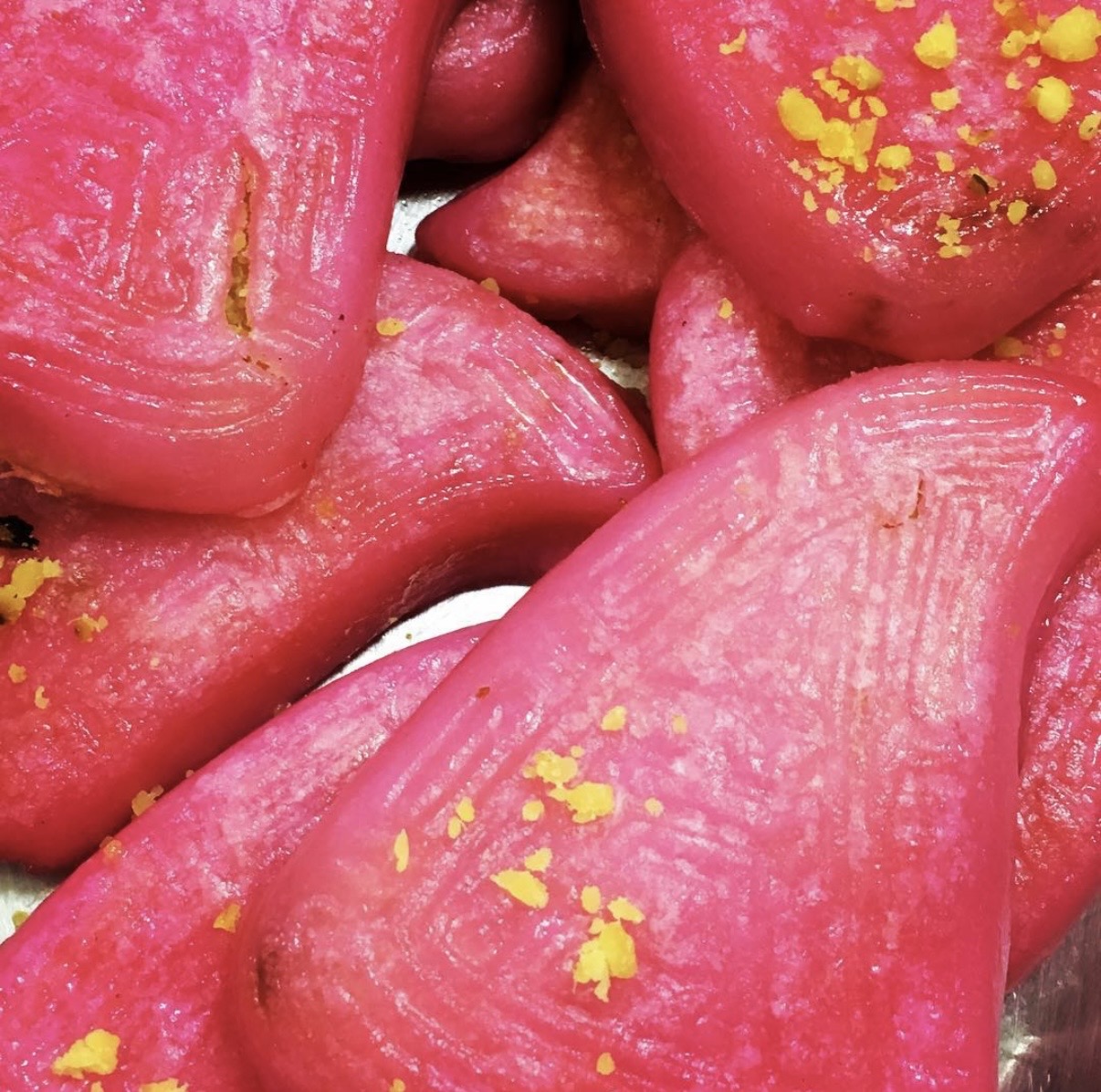
Ah Kueh
The lesser-known cousin of the png kueh, ah kueh, also known as tau ah kueh or tau kueh, shares the same pink, peach-shaped skin, with the peach symbolising longevity in Chinese culture. However, instead of glutinous rice, it is filled with steamed, mashed de-shelled mung beans that are stir-fried with white pepper and shallot oil. Traditionally, the kueh is steamed before being lightly pan-fried to give the skin a crispy exterior. In Teochew cuisine, it is often enjoyed with braised duck gravy for additional savoury richness.
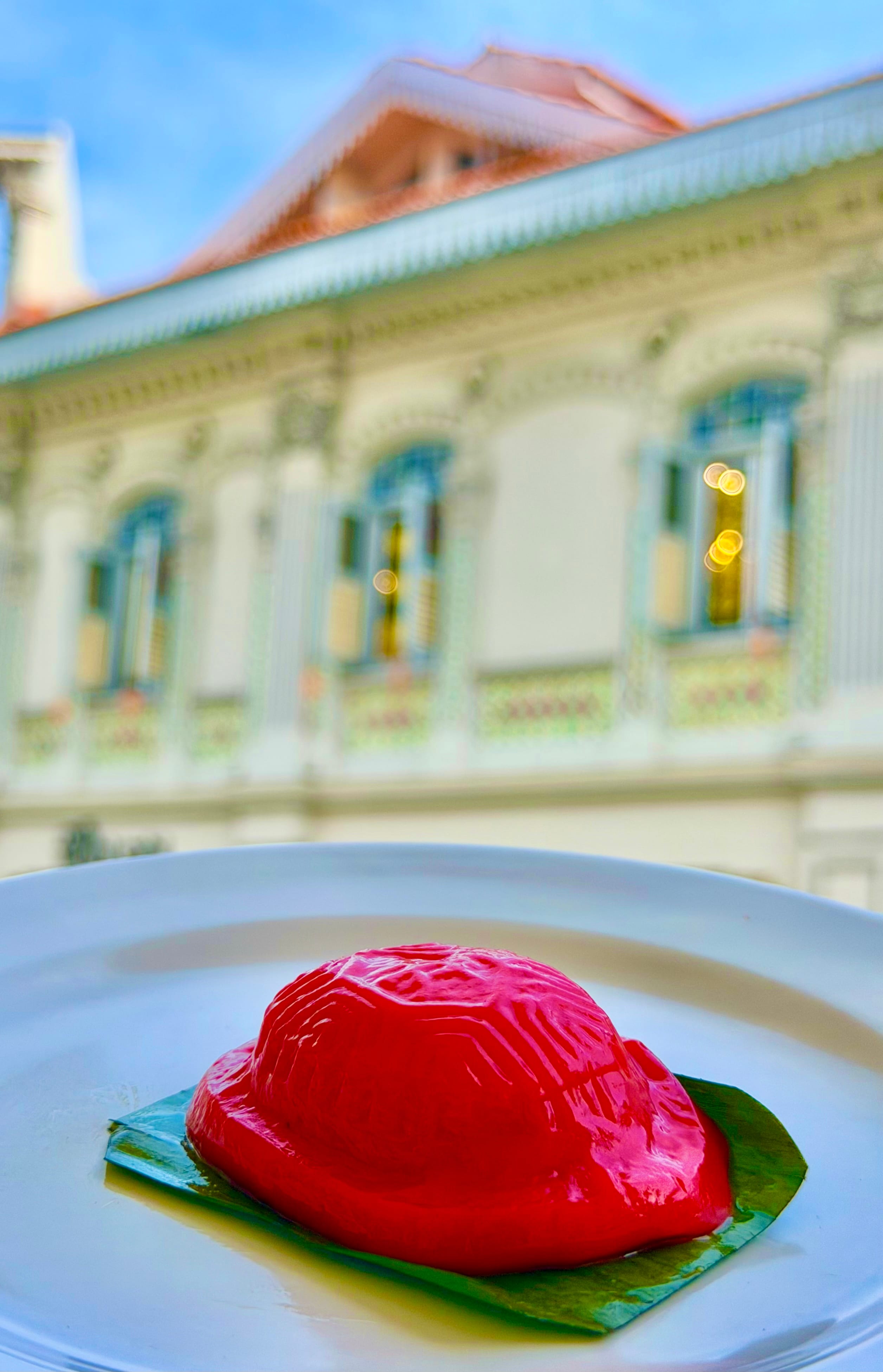
Ang Ku Kueh
Did you know the pattern of the ang ku kueh is modelled after a tortoise's shell? In Hokkien, “红龟粿” (ang ku kueh) literally means “red tortoise cake”. The tortoise is a traditional symbol of longevity, auspiciousness, wealth and completeness, while the vibrant red colour represents joy, happiness and celebration. Together, they make the ang ku kueh a popular treat for auspicious occasions such as a baby’s first month celebrations, birthdays and housewarming.
The kueh consists of a soft, sticky glutinous rice flour skin wrapped around a sweet filling. Traditional favourites include crushed peanuts and sweet mung bean paste, while modern iterations come with the ang ku kueh being rainbow coloured, with different fillings such as durian, matcha, and pistachio.
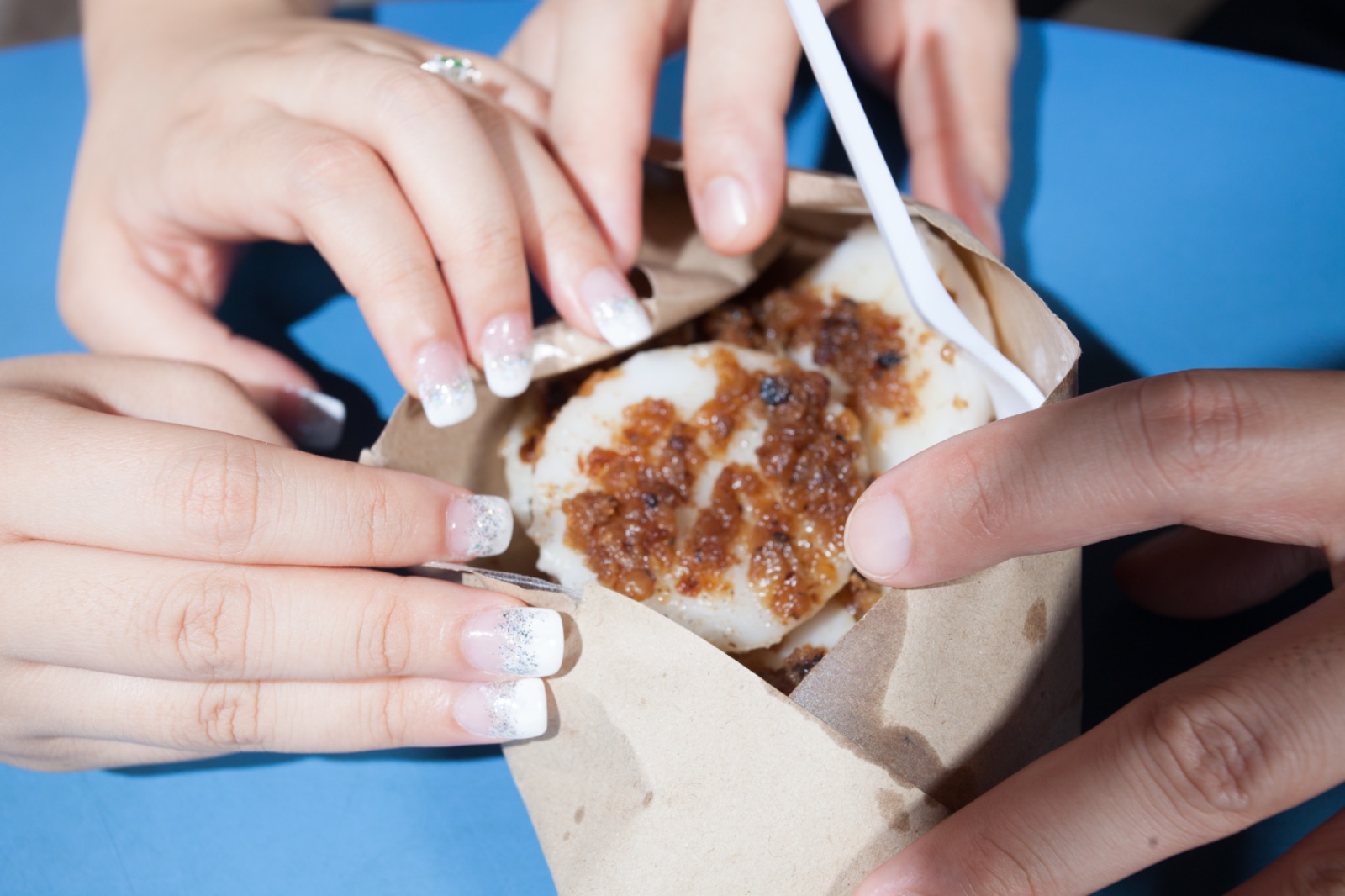
Chwee Kueh
Chwee kueh, “水粿”, which literally means “water kueh”, is named for its soft texture that is achieved with the high proportion of water in the rice batter. Each cake is steamed with a distinctive dimple in the centre (where water would usually collect during steaming), which helps to hold its savoury topping.
Chwee kueh has its roots in the Chaoshan (Teochew) region of southern China, where it is traditionally topped with fresh stir-fried radish. The Singaporean version, however, utilises preserved radish (or chai poh), due to its ability to keep well in our tropical climate, and the difficulty of sourcing for fresh radish in the past. Over time, as our tastebuds evolved with the confluence of Malay and Peranakan cultures, Singaporeans usually enjoy our chwee kueh with a generous dollop of sambal chilli, making our version of chwee kueh uniquely Singaporean!
Kueh Bahulu
Learn more from this article here!
Kueh Bangkit
Learn more from this article here!
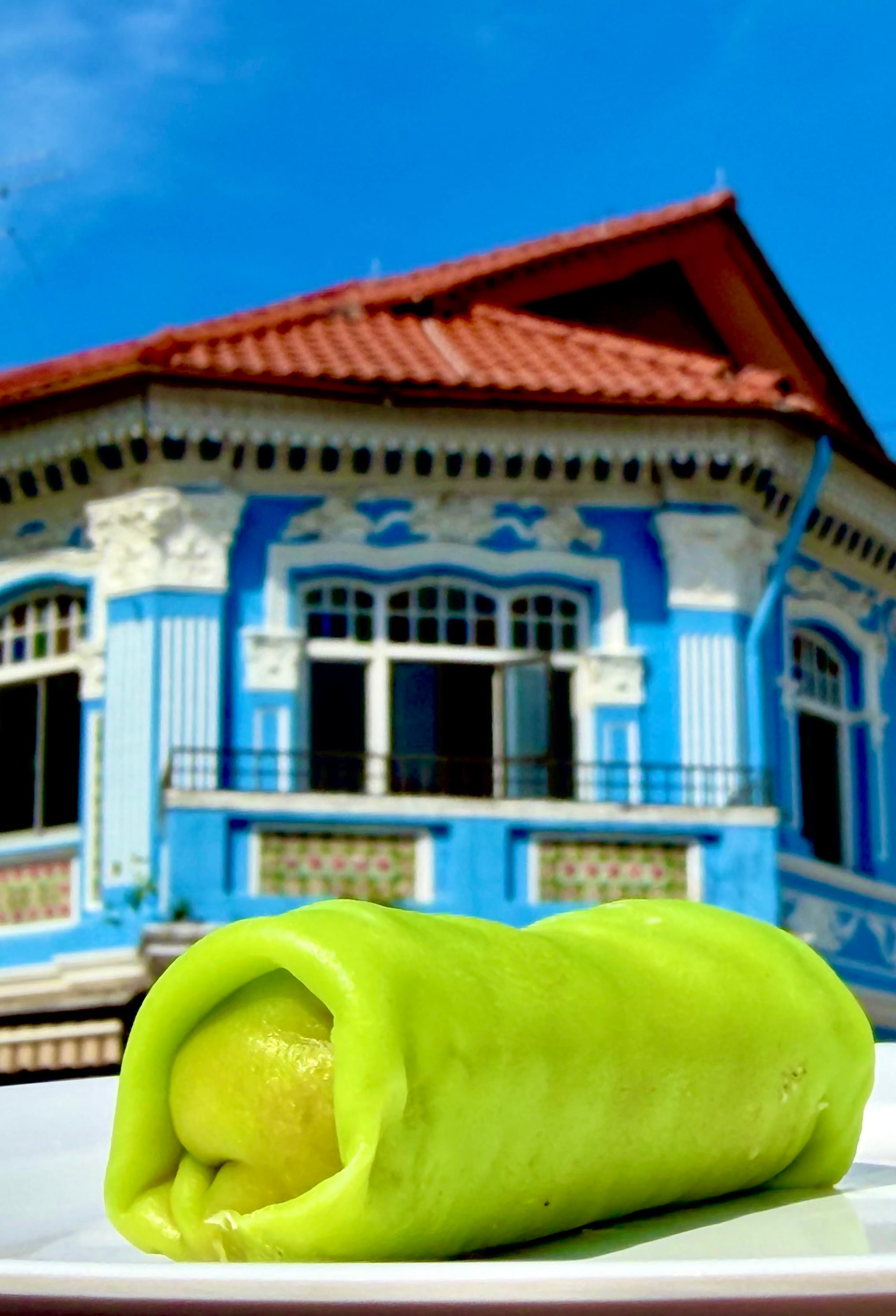
Kueh Dadar
Kueh dadar consists of a sweet filling made of grated coconut cooked with gula melaka (palm sugar), wrapped in a thin, pandan-flavoured crepe. Its name comes from the Malay word dadar, which means a “pancake” or “omelette”, referring to the crepe exterior. Kueh dadar is enjoyed throughout Singapore, Malaysia and Indonesia.
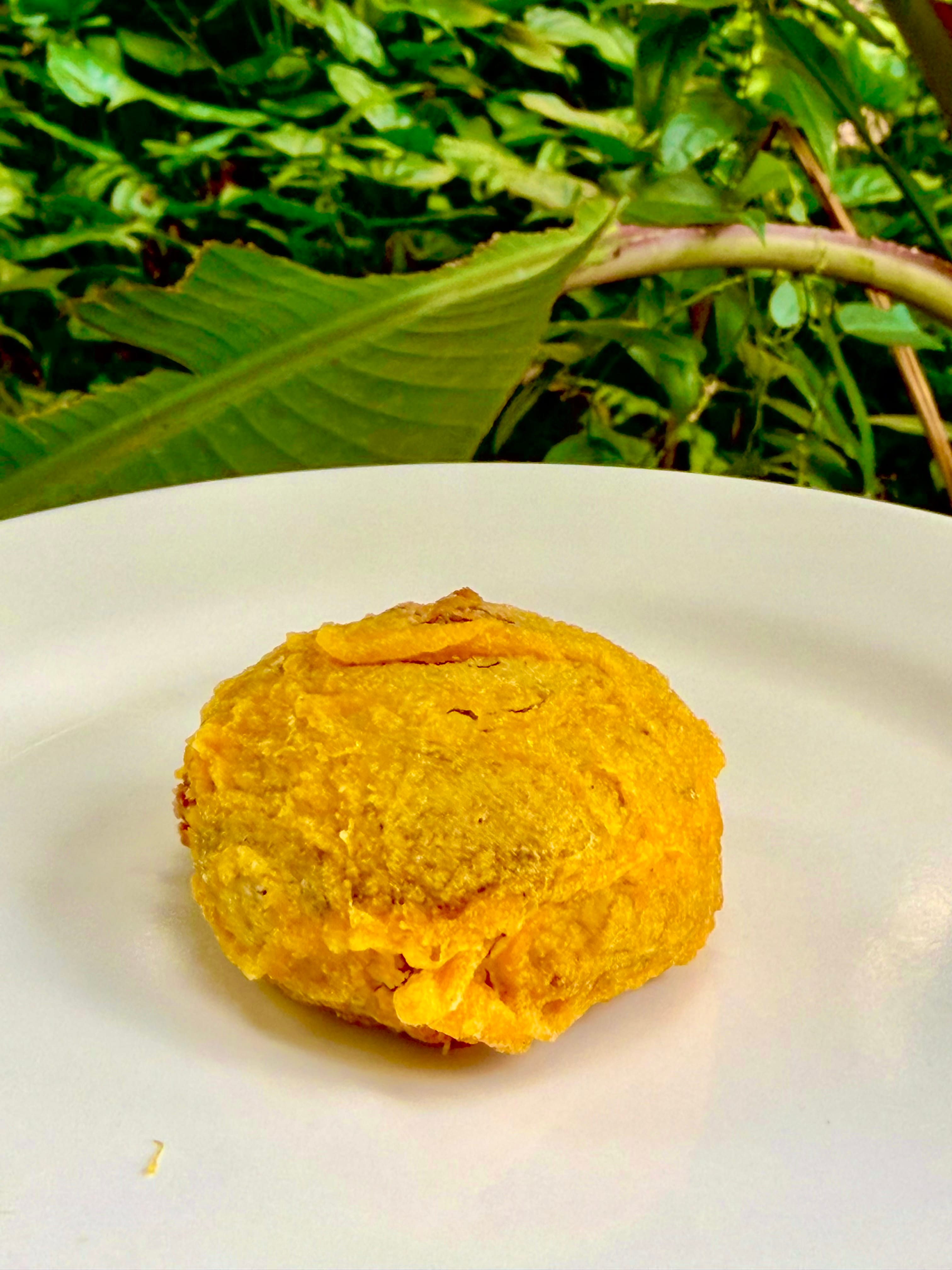
Kueh Kanda Kasturi
Kueh kanda kasturi is a mung bean fritter closely associated with the Indian Peranakan (Chetti Melaka) community. Made with mung beans and shaped into patties coated with batter and deep fried, it is often used in Parchu Bhogi, an ancestral ritual observed by the community. The word “kasturi” means “musk” in both Tamil and Malay, reflecting the long history of cultural exchange and trade in the region.
Kueh Kapit
Also known as "love letters" or "egg rolls". Read the fuil article here.
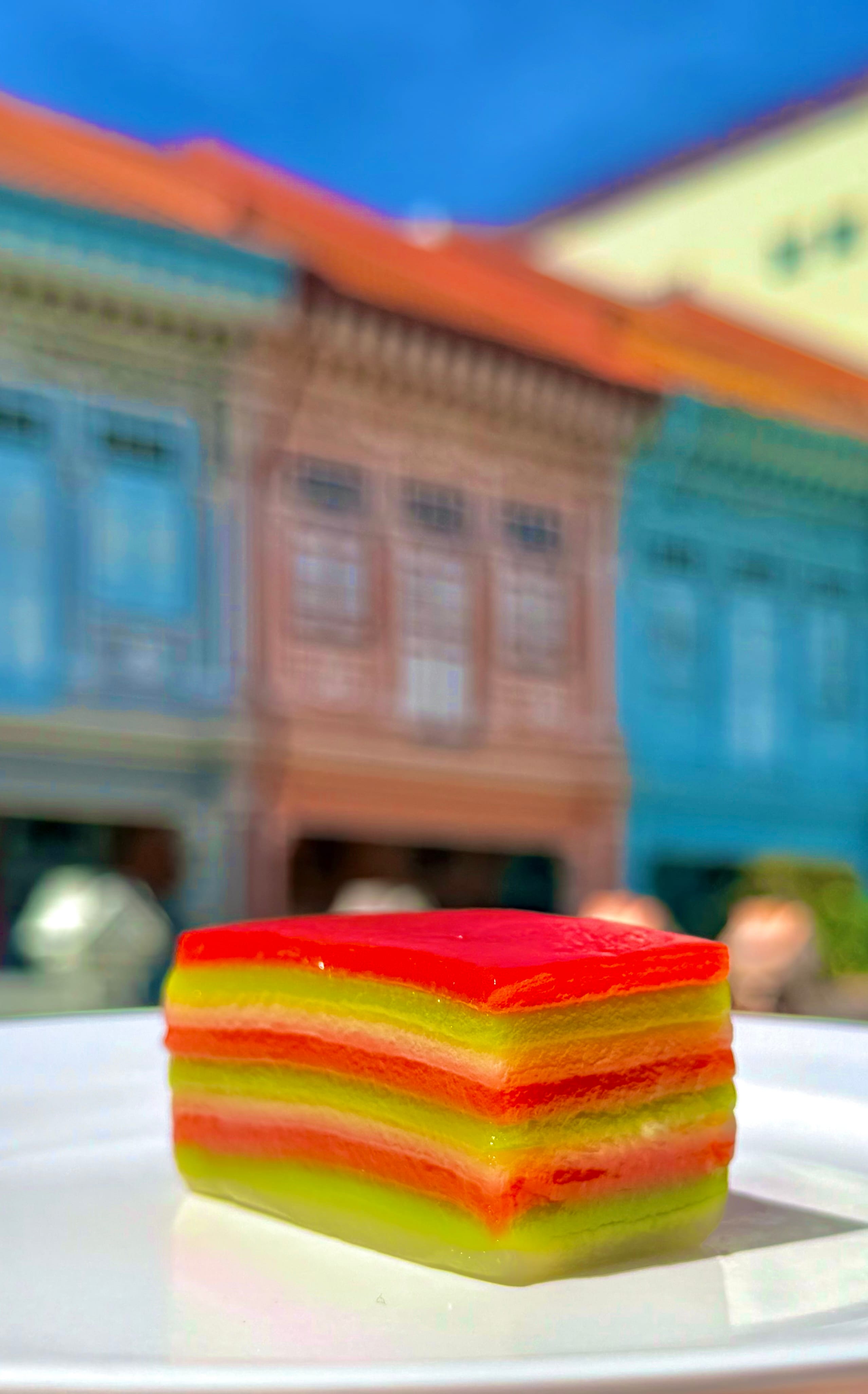
Kueh Lapis (Steamed)
Lapis means “layers” in Malay, and this colourful kueh is made by individually steaming layers of poured flour slurry of varying colours, one at a time, until a beautifully striped kueh is formed. Among Chinese communities, it is also sometimes referred to as “九层糕” (nine-layer cake), a name that has endured despite many versions having more than nine layers. The number nine is also traditionally associated with longevity and good fortune. A closely related variety is called lapis sagu, which means “layers” and “sago”, as sago flour is used to make it. One of the joys of eating kueh lapis, enjoyed by both kids and adults alike, is peeling it apart layer by layer. The important question is: do you eat the top red layer first, or save it for the very end?
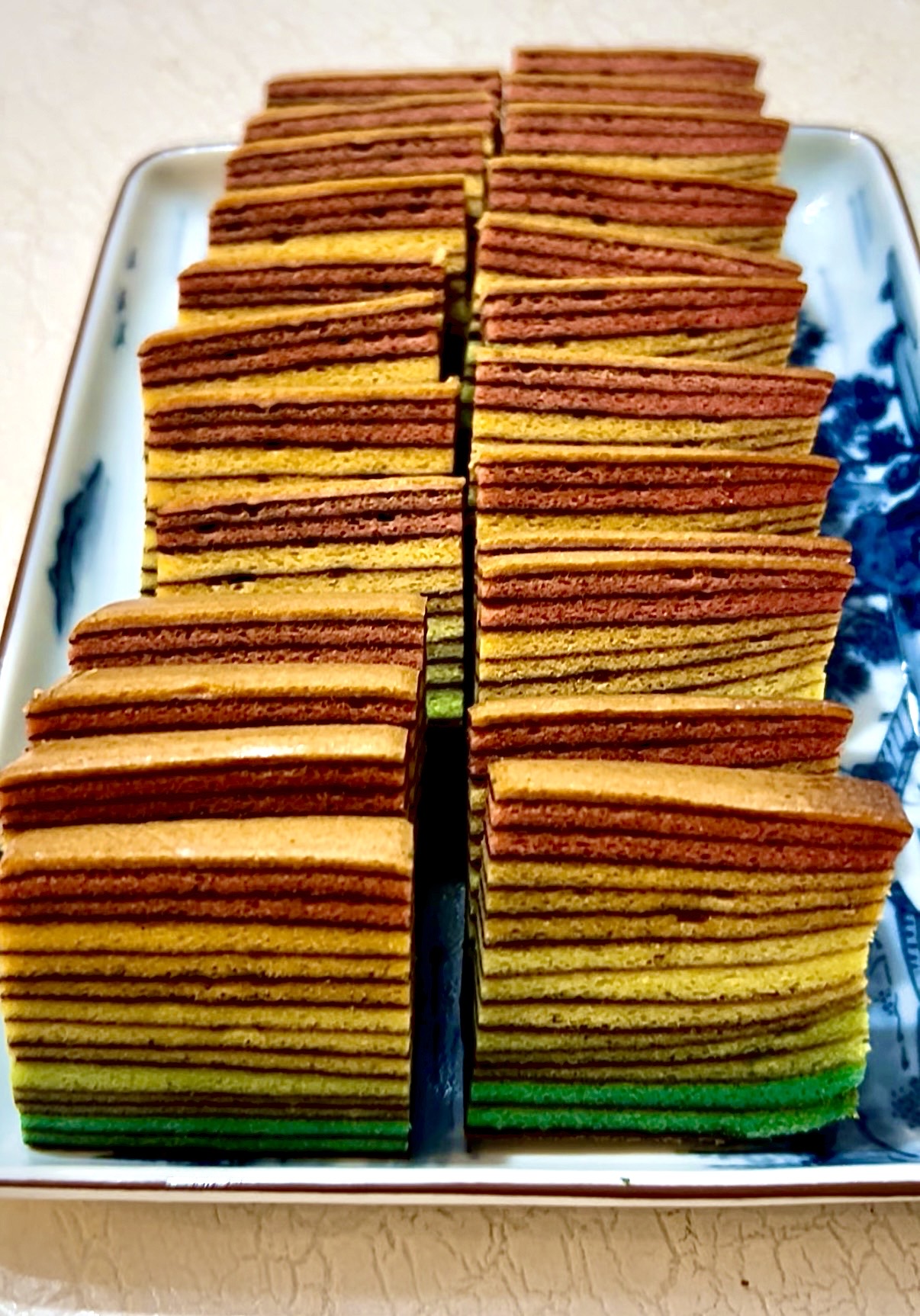
Kueh Lapis (Baked)
This rich, baked version of kueh lapis is closely associated among Singaporeans with Indonesian and Peranakan heritage. One of its best-known versions comes from local bakery chain, Bengawan Solo, founded by Anastasia Tjendri-Liew, who migrated to Singapore from Palembang, Indonesia, in the early 1970s.
Developed during colonial times in the Dutch East Indies (now Indonesia) where it is also known as kue lapis legit or spekkoek, this version of kueh lapis is made by baking thin layers of butter-rich batter one at a time, resulting in a dense cake with many delicate layers, unlike the steamed version. Among Chinese communities, it is commonly known as “千层糕” (thousand-layer cake). Other than the classic plain version, having it baked with prunes is also popular, with other modern flavours such as cheese, Nutella and even rainbow versions (pictured above) emerging in recent times.
Kueh Putugal
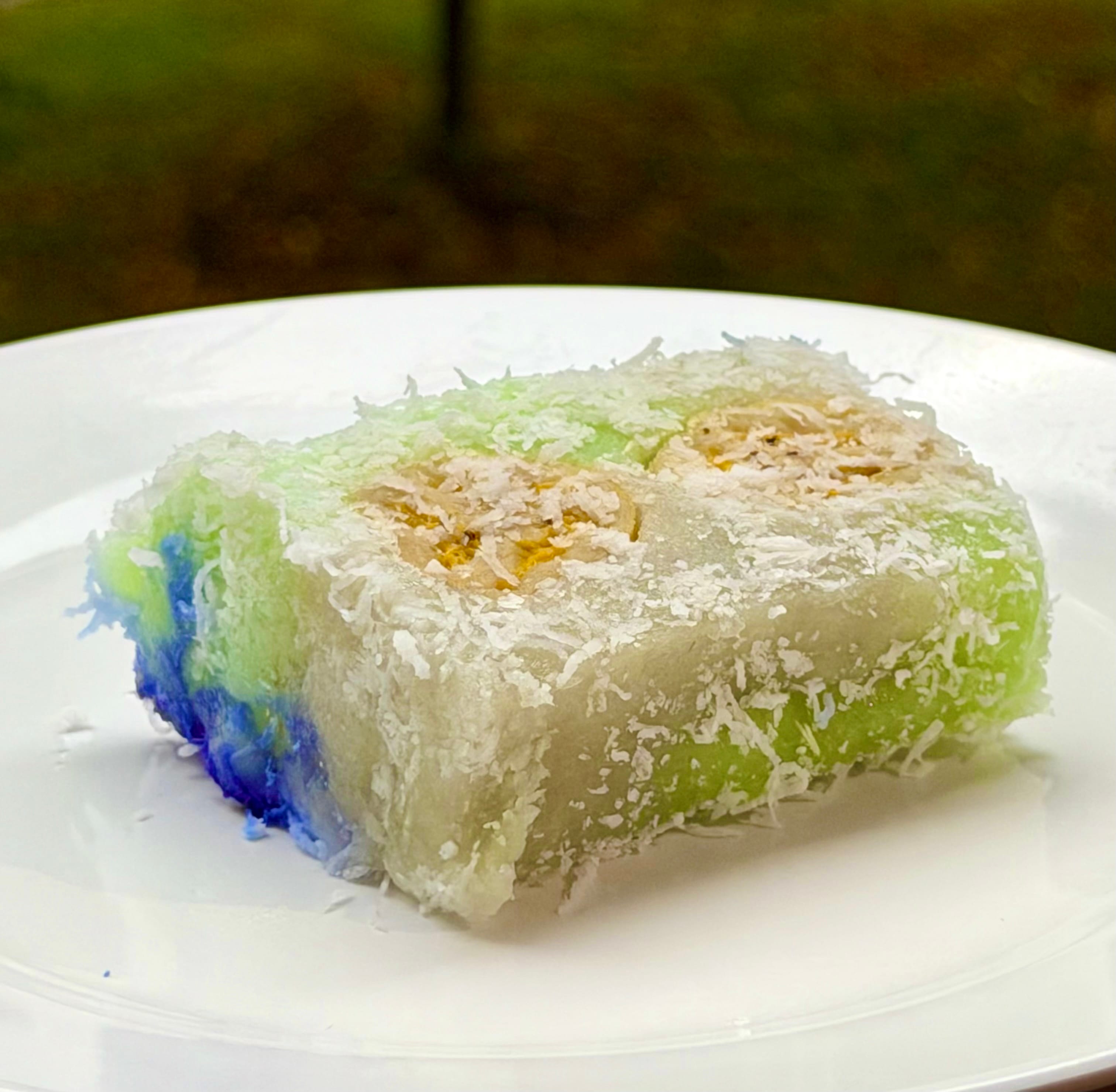
Also known simply as ‘Putugal’, or ‘Kueh Portugal’, Kueh Putugal is a quintessential Singapore Eurasian cuisine. Though the name reflects the Portuguese roots of the Eurasian community, the ingredients are unmistakably Southeast Asian, featuring tapioca, cassava, coconut and bananas, common produce found in the tropics. Kueh Putugal is traditionally served during funeral wakes, where it is shared with family and friends who gather to keep the bereaved family company through the vigil. The Eurasian version is typically steamed in a baking tin, cut into squares or diamonds, and coated with freshly grated coconut. In contrast, the Peranakan version is cylindrical in shape.
Kway Chap
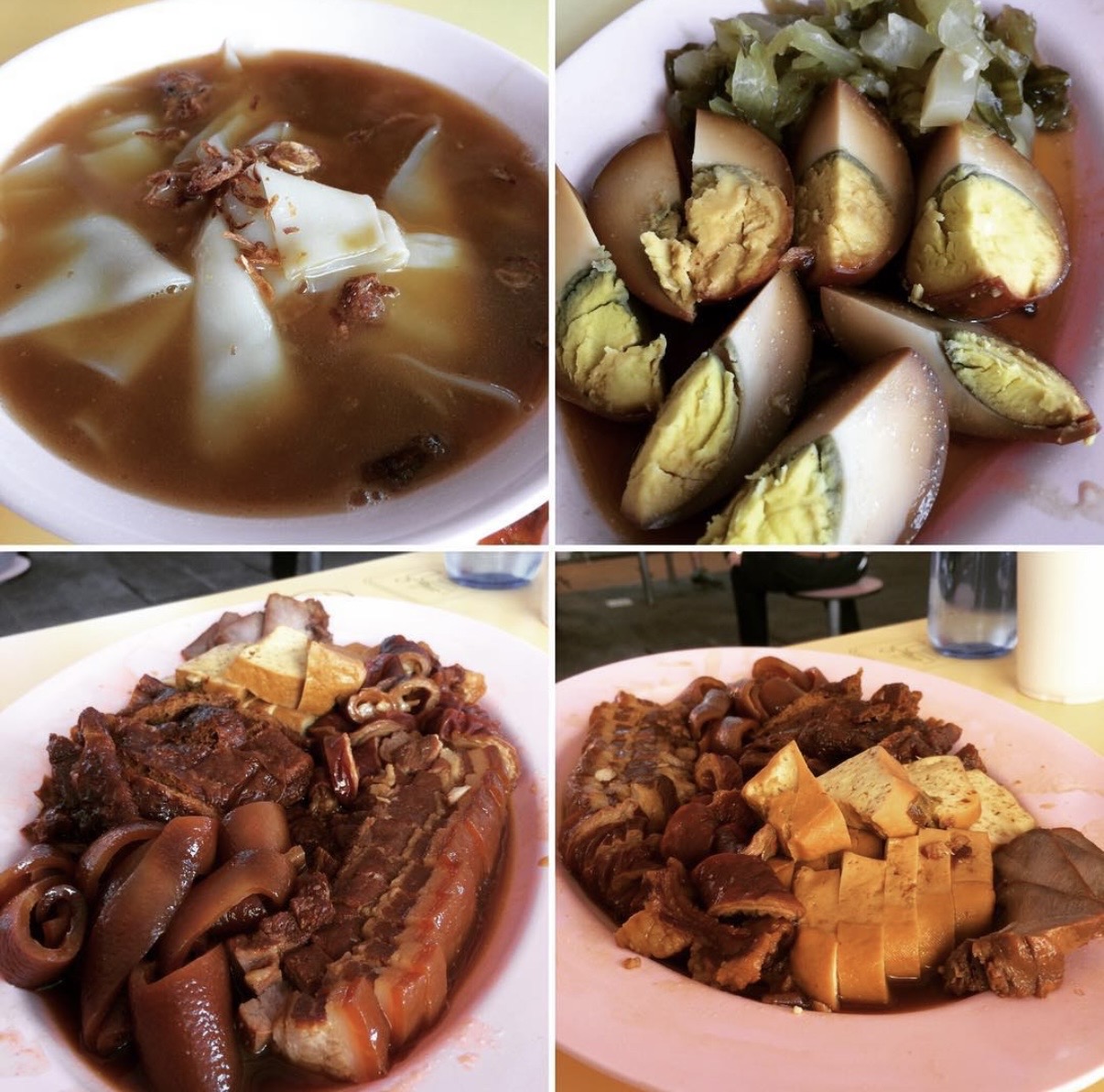
Kway chap, also spelt as ‘kuay chap’, is a beloved hawker staple whose name “粿汁”, literally means “rice cake in broth”. While the dish is best known for its braised pork and offal, its defining feature is the silky, flat broad sheets that are made with rice flour (kway “粿”), and served in a bowl of piping hot savoury broth (chap “汁”). The rice sheets are typically enjoyed with an array of braised ingredients, including pork belly, pig skin, big and small intestines, tongue, and other sides like tau kwa, tau pok, and salted vegetables. Originating from the Teochew community, the Singaporean version is distinguished by its dark, soya sauce-based broth, with the accompaniments served separately. This contrasts with other versions found elsewhere in the region which usually have white or clear soup with the sides served in the same bowl.
Min Jiang Kueh
Also known as "Ban Jian Kueh". Read the full article here.
Png Kueh
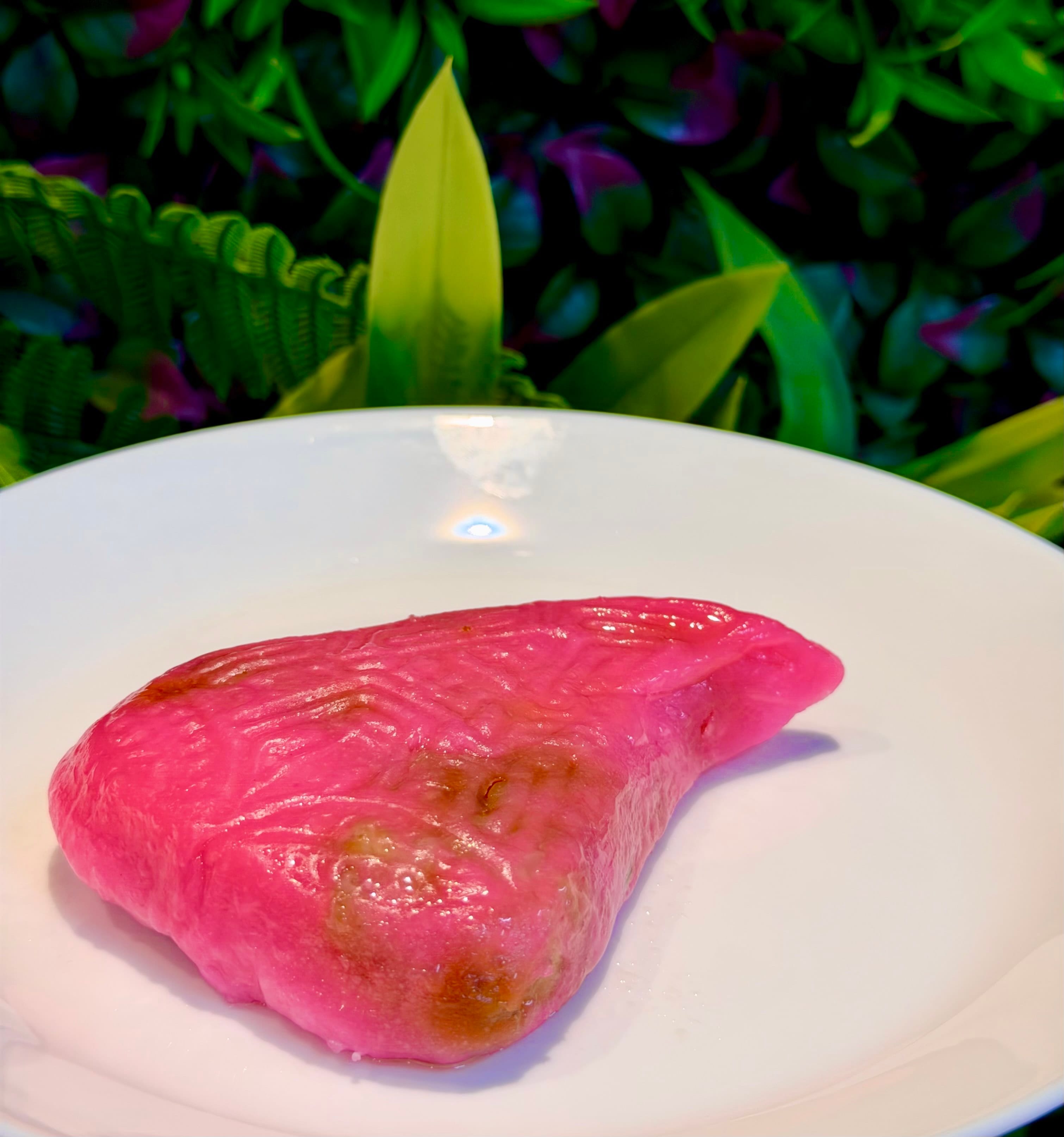
A traditional Teochew kueh, png kueh literally means “cooked rice kueh”. Its distinctive pink skin is made with glutinous rice flour, giving it a soft and chewy texture, with fillings comprising glutinous rice, typically stir fried with peanuts, dried shrimps, mushrooms and other seasonings. The kueh is pressed in a distinctive peach-shaped mould, with the peach symbolising longevity in Chinese culture, making it a popular offering during festivals and other celebratory occasions. Hence, it is also sometimes known as “紅桃粿” (red peach kueh).
Soon Kueh
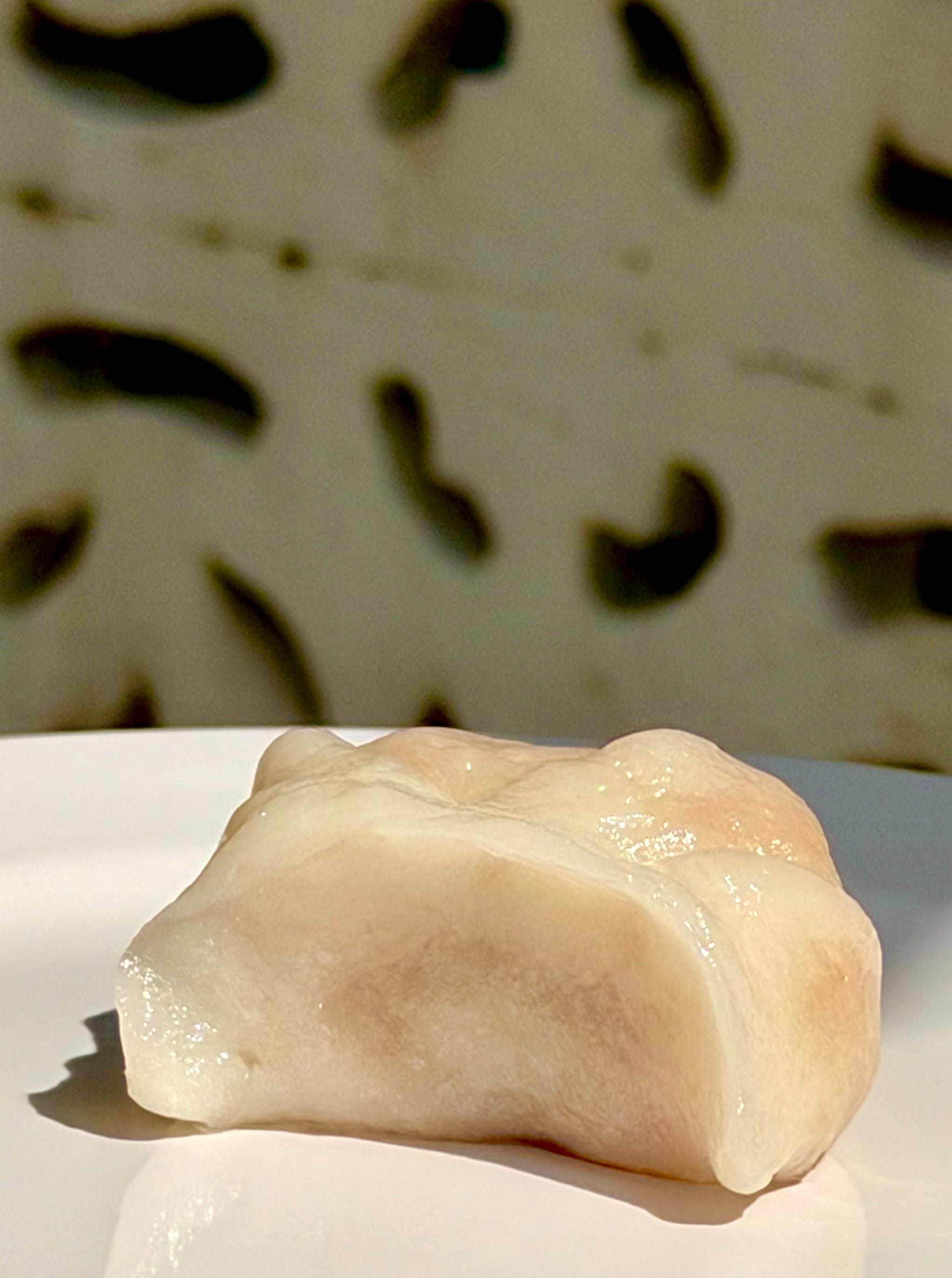
Though the “soon” in soon kueh refers to “bamboo shoots”, the version found in Singapore is more commonly filled with jicama, also known as “bangkuang”. This is because edible bamboo shoots were not commonly cultivated and consumed in Southeast Asia, while jicama was a sweet, crispy and inexpensive alternative. Different families swear by different ratios of the flour blend to make the skin, which might include rice flour, glutinous rice flour and tapioca starch, giving each soon kueh its own distinctive texture.
Tutu Kueh
Learn more from this article here!
Please stay tuned - we’ll be adding more kueh!
Please contact us at nexus@defence.gov.sg if you have any kuehs you would like to see featured.